Solo Travel: Safety Tips and Empowering Stories
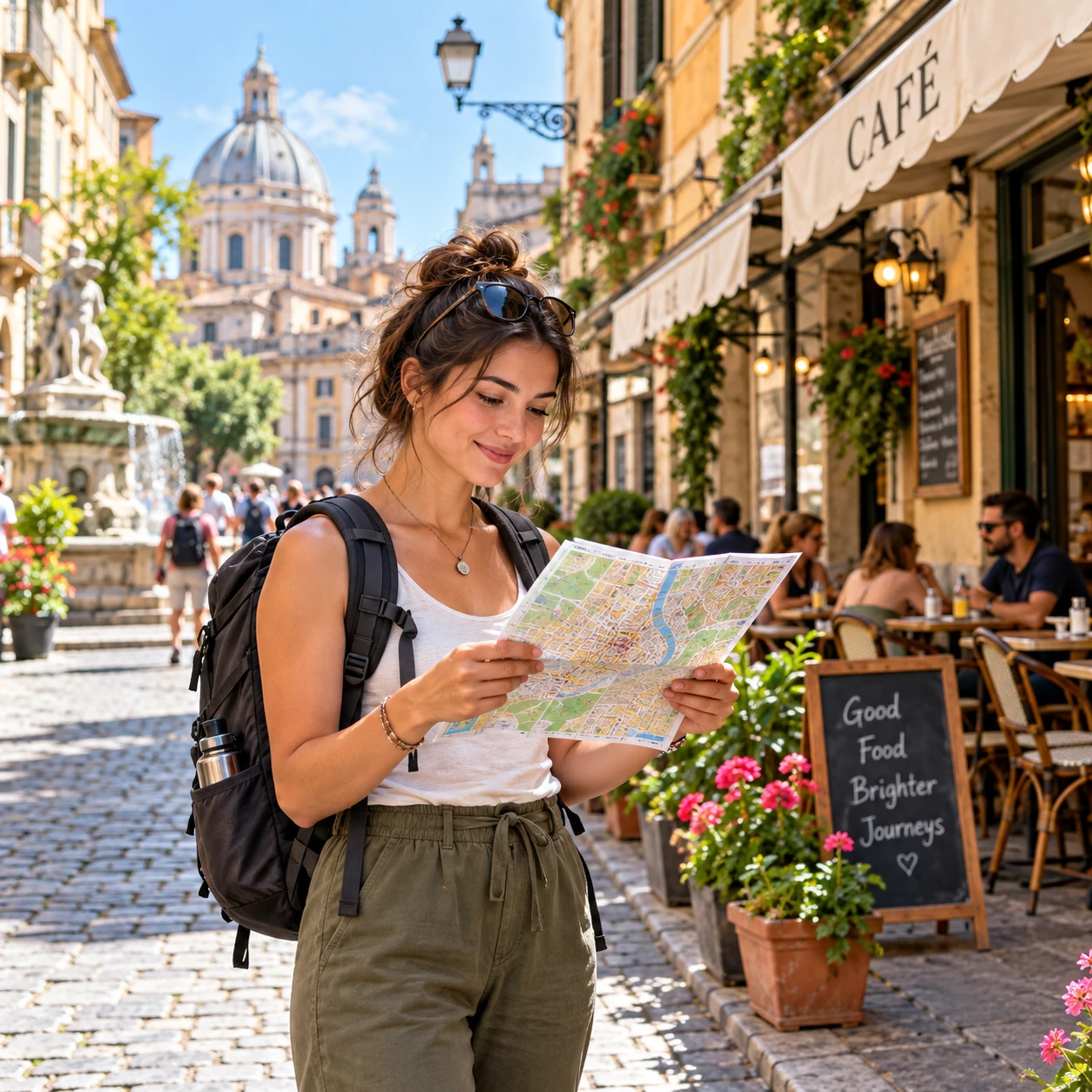
Traveling alone gives you room to follow your curiosity, change plans on a whim, and discover what you can handle for yourself. It also means making more decisions independently. A little preparation can make those decisions easier, from choosing accommodation to finding your way across town.
Solo travel does not require fearlessness or a perfectly planned itinerary. It calls for practical travel safety habits, a way to stay connected, and permission to adjust your plans when something feels off. Here’s how to build confidence while leaving space for the unexpected.
Why solo travel can be rewarding
Solo travel can be rewarding because it gives you control over your pace and choices while helping you practice self-reliance. You decide when to linger, where to eat, and whether today calls for a museum or a quiet afternoon. That freedom can make a trip feel more personal.
Traveling alone can also sharpen everyday skills. You may learn to navigate a transit system, ask for directions, or feel comfortable enjoying a meal by yourself. Small successes accumulate. Confidence often comes from those ordinary moments, not from doing something dramatic.
There are trade-offs. You have no automatic companion to share decisions or watch your belongings, and some activities may cost more when you cannot split expenses. Think of independence as a choice you can shape: join a walking tour, book a group excursion, or keep a day entirely to yourself. Solo travel can include company whenever you want it.
Plan ahead without overplanning
To prepare for solo travel, research the destination, share a basic itinerary, choose accommodation carefully, and keep a backup plan. A flexible outline is more useful than scheduling every hour because it leaves room to respond to weather, fatigue, and local advice.
Before you go, check entry requirements, local customs, neighborhood layouts, and current travel advisories from official sources. Look at how you’ll get from the airport or station to your lodging, especially if you arrive late. For country-specific guidance, consult the relevant government travel advisory, such as the U.S. Department of State travel advisories.
Choose accommodation using more than the nightly price. Review recent guest feedback, access to public transportation, check-in arrangements, and whether the route to the entrance is well lit. A central location may cost more, but it can reduce long late-night journeys. Weigh that benefit against your budget and comfort.
- Send a trusted person your itinerary, accommodation details, and expected check-in dates.
- Save offline maps, booking confirmations, and key addresses in case mobile data fails.
- Keep a backup payment method separate from your wallet and store digital copies of important documents securely.
- Consider travel insurance that fits your destination and plans; check coverage, exclusions, and emergency-assistance procedures before buying.
Make the plan easy to maintain. A quick message at the end of a travel day may be more realistic than promising constant updates.
Practical safety habits on the road
Good travel safety comes from staying aware, keeping valuables secure, and choosing local transportation with care. No routine removes every risk, but a few consistent habits can help you make more informed decisions in unfamiliar places.
Notice what is happening around you, especially while using a phone, choosing a route, or handling cash. Situational awareness does not mean suspecting everyone; it means pausing before you become distracted. If a street or station feels uncomfortable, step into a staffed shop, hotel lobby, or other public place and reconsider your route.
Keep your phone charged and your essential items easy to reach without displaying everything you carry. Use a bag that closes securely, and avoid leaving valuables unattended at cafés or on transit. Carry only what you need for the day, while keeping a backup card or emergency cash in a separate place.
For local transportation, use official taxi ranks, reputable ride services, or well-used public transit routes where practical. Before getting into a vehicle, check that its details match the booking. If you arrive at night, know the route to your accommodation in advance and trust your judgment about whether a walk is sensible. Paying for a direct ride may be worthwhile for comfort, though it can raise costs.
Keep alcohol and other substances from clouding decisions, and set boundaries around sharing personal details with people you’ve just met. You can be friendly without explaining where you’re staying or changing plans to please someone.
Staying connected and handling the unexpected
Stay connected by agreeing on check-ins with emergency contacts and saving important information where you can reach it offline. If plans change, update someone you trust when practical, then focus on getting to a safe, public place before sorting out the details.
Choose one or two emergency contacts who are likely to notice if you miss an agreed check-in. Share your lodging address, transport plans for longer journeys, and the date you expect to be back in touch. Set expectations in advance: a missed message should prompt a check-in, not immediate panic.
Prepare for common disruptions. Keep your accommodation’s phone number and address saved, know how to contact local emergency services, and carry a power bank if your phone is your main map and booking tool. Travel insurance may provide access to assistance for covered emergencies, but it is not a substitute for local emergency services; understand what your policy does and does not cover.
If a situation feels unsafe, leave early rather than waiting for proof that your discomfort is justified. Move toward staff, security, or a busy public place; call someone you trust; and use local emergency services if you face an immediate threat. You do not need to be polite at the expense of your safety. If transport or accommodation falls through, contact the provider through a verified channel and choose a temporary option that lets you regroup.
Empowering moments from solo travel
Solo-travel confidence often grows through small, everyday moments when you solve a problem and see that you can adapt. These examples are illustrative, not testimonials, but they reflect situations many independent travelers may recognize.
A first-time solo traveler arrives in a city and realizes the station exit is closed. Instead of rushing into an unfamiliar side street, they step into the station’s staffed area, check an offline map, and ask an employee for directions. The change is modest: they reach their lodging with a revised route and a little more trust in their ability to pause and choose.
On another trip, a traveler finds that a planned group tour has been canceled. They ask the accommodation desk about a nearby daytime walking route, send their revised plan to a friend, and visit a museum at their own pace. The day still works, even though the itinerary did not.
These moments are useful because confidence does not have to mean never feeling nervous. It can mean recognizing uncertainty, taking one sensible step, and asking for help when needed. A friendly conversation, a meal enjoyed alone, or a changed plan can all count.
Make the trip your own
The right solo trip is one that matches your comfort level, interests, budget, and energy. You can set boundaries, build in rest, and ask for help without giving up your independence.
For a first trip, try a shorter stay, a familiar language, or a destination with straightforward transportation. You might book the first night in advance and leave later days more open. If a full day alone feels daunting, start with a guided activity or a shared meal, then decide whether you want more time on your own.
Set personal rules that make decisions easier: no arriving in a new place after dark unless transport is arranged, for example, or a check-in message before a long journey. These are tools, not universal rules. Change them to fit your circumstances, and make room for rest instead of treating every hour as an opportunity you must maximize.
Above all, take discomfort seriously without letting it define the whole trip. Change a route, decline an invitation, contact staff, or seek local assistance when that is the sensible choice. Solo travel is yours to shape, and a thoughtful adjustment is part of traveling well.