Hidden Gems: Underrated Travel Spots You Need to Explore
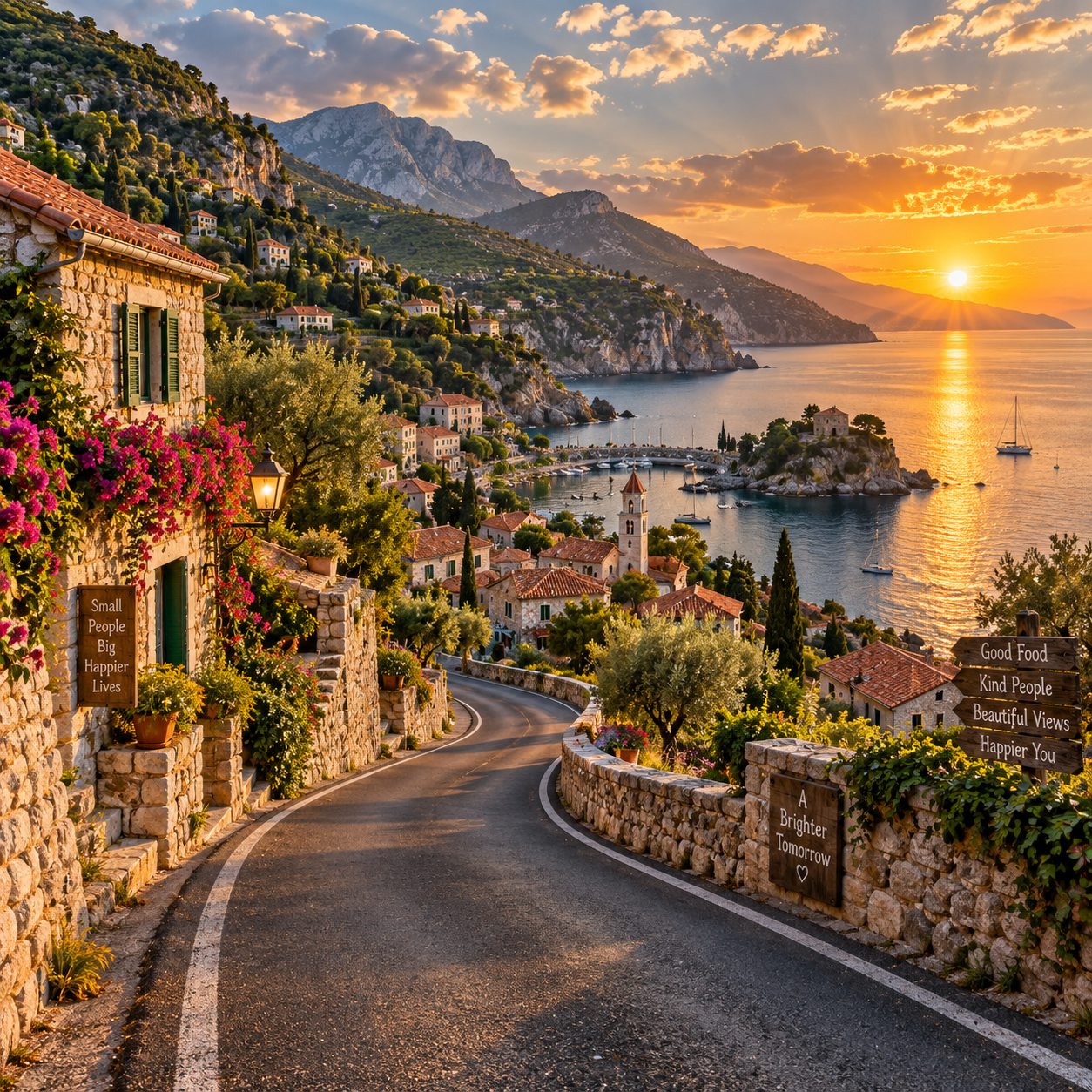
Some of the most rewarding journeys begin where the usual itinerary ends. Hidden gems offer quieter streets, distinctive scenery, and meaningful encounters with local culture without relying on the familiar rhythm of overcrowded attractions. They are not necessarily secret or completely empty, but they often provide a more relaxed setting for curious travelers.
From mountain valleys and historic towns to remote coastlines and culturally rich neighborhoods, these underrated destinations make excellent additions to a thoughtful travel itinerary. The key is approaching them with patience, realistic expectations, and respect for the people who call them home.
Why Visit Underrated Travel Destinations?
Underrated travel destinations provide a slower, more personal alternative to crowded tourist hotspots. They can offer authentic experiences, memorable landscapes, and closer contact with local culture, although they may require more planning and flexibility.
In a famous city, much of your day can disappear in queues, traffic, and tightly scheduled sightseeing. A lesser-known destination often gives you room to linger: drink coffee in a neighborhood square, speak with a shopkeeper, or follow a walking trail without competing with large tour groups.
These places also tend to reveal a region’s character beyond its headline attractions. A small food market may teach you more about daily life than a highly polished tourist district. A locally guided hike can connect scenery with stories, farming traditions, and conservation efforts.
There are trade-offs. Public transport may run less frequently, English may be less widely spoken, and restaurant or accommodation choices can be limited. Choosing an off-the-beaten-path destination for its atmosphere means accepting a little logistical uncertainty. For many travelers, that exchange is worthwhile.
Hidden Gem Destinations Worth Adding to Your List
Great hidden gems combine a distinctive sense of place with enough infrastructure for a rewarding visit. The following destinations span natural landscapes, historic communities, coastal escapes, and cultural experiences without treating any location as completely undiscovered.
Alentejo, Portugal
East of Lisbon, the Alentejo region unfolds through cork oak fields, whitewashed villages, vineyards, and medieval hill towns such as Monsaraz and Marvão. Its appeal lies in space and rhythm: long lunches, quiet roads, Roman and Moorish influences, and a strong regional food culture.
A car makes rural exploration easier, but travelers can base themselves in Évora, a UNESCO World Heritage city, and arrange local excursions. Summer heat can be intense, so spring and autumn are more comfortable for walking and sightseeing.
Lake Ohrid, North Macedonia
Lake Ohrid offers clear water, mountain views, historic churches, and a lakeside atmosphere that feels calmer than many better-known European waterfronts. Ohrid’s old town rewards slow exploration, while nearby villages and viewpoints provide a broader sense of the lake’s cultural landscape.
The destination suits travelers who enjoy history, swimming, photography, and relaxed outdoor activities. July and August bring the warmest weather and more visitors; May, June, September, and early October often provide a better balance of pleasant conditions and quieter streets.
São Tomé Island, São Tomé and Príncipe
São Tomé combines volcanic scenery, tropical forests, cocoa plantations, and quiet beaches with a distinctive Portuguese and West African cultural heritage. The island is especially appealing to travelers seeking nature excursions and a destination that feels far removed from conventional resort circuits.
Road conditions and transport schedules can be inconsistent, so guided trips or a carefully arranged driver are useful for reaching plantations, waterfalls, and remote coastal areas. Bring patience, mosquito protection, and flexible plans. The reward is an intimate island experience shaped by landscape and community.
Gjirokastër, Albania
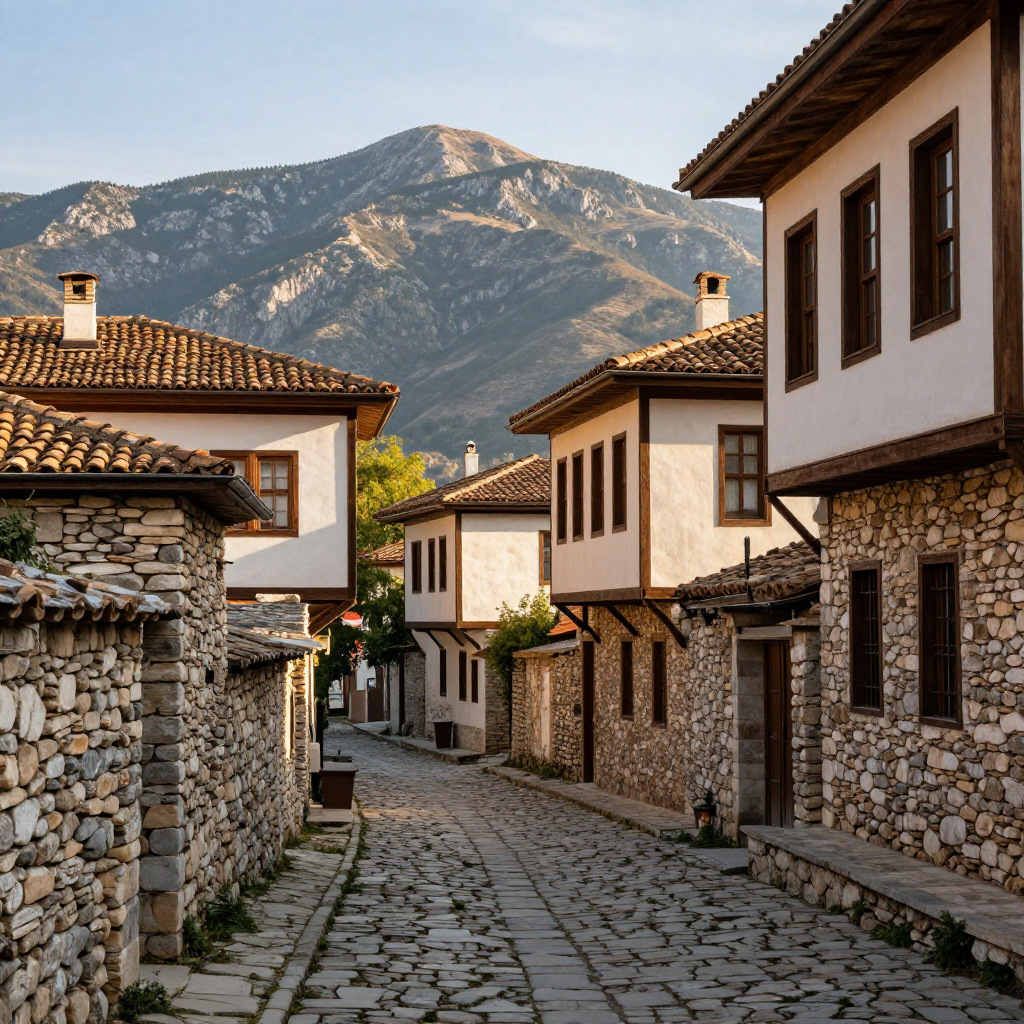
Gjirokastër is a stone-built historic town set against the mountains of southern Albania. Its steep lanes, Ottoman-era houses, castle, and traditional cuisine create an atmospheric base for exploring the region.
The old town is walkable but hilly, with polished stone surfaces that can become slippery in wet weather. Pair a visit with nearby natural attractions or a longer southern Albania itinerary. Late spring and early autumn offer comfortable temperatures for climbing through the historic center.
Oaxaca’s Sierra Norte, Mexico
The Sierra Norte east of Oaxaca City is known for pine forests, mountain villages, community-run ecotourism, and hiking routes that connect highland landscapes with Indigenous Zapotec culture. It offers a different experience from the city’s food and colonial architecture while remaining reachable by road.
Local guides are central to the experience. They can explain forest management, medicinal plants, village traditions, and the meaning of the landscape. Nights may be cold at altitude, even when Oaxaca City feels warm, so pack layers and confirm accommodation facilities before traveling.
What to Do in Each Destination
The best activities in hidden gems connect you with the landscape and the people who live there. Prioritize locally led tours, regional food, walking routes, and outdoor experiences rather than trying to collect every attraction.
- Alentejo: Walk the lanes of Monsaraz, visit a family winery, sample açorda or regional cheeses, and watch the sunset over the Alqueva landscape.
- Lake Ohrid: Explore the old town on foot, visit historic churches, swim from a quieter lakeside spot, and take a boat trip or hike to a panoramic viewpoint.
- São Tomé: Tour a cocoa plantation, hike through rainforest, visit a waterfall, and eat fresh fish or tropical fruit at locally owned restaurants.
- Gjirokastër: Visit the castle, join a food-focused walking tour, photograph the Ottoman houses, and use the town as a base for southern Albania excursions.
- Sierra Norte: Hike with a community guide, stay in a village cabin, learn about forest conservation, and try regional dishes prepared by local cooks.
Build days around one major activity and leave open time around it. A rushed schedule can turn a quiet destination into another checklist. Ask hosts for current trail conditions, seasonal events, and places residents actually enjoy.
When to Visit These Off-the-Beaten-Path Spots
The ideal time to visit off-the-beaten-path spots depends on weather, transport, seasonal activities, and local demand. Shoulder seasons often offer the strongest balance of comfortable conditions, lower pressure on communities, and greater availability.
- Spring: Excellent for walking, green landscapes, and cultural sightseeing in Portugal, Albania, and North Macedonia. Mountain areas may still have wet or changeable weather.
- Summer: Best for lake swimming and long daylight hours, but popular small destinations can still become busy during school holidays. Book limited accommodation early.
- Autumn: Often brings mild temperatures, harvest activity, and vivid scenery. It is a particularly attractive period for food and wine experiences.
- Winter: Can mean lower prices and near-empty streets, but shorter days, reduced transport, and closed seasonal businesses require careful planning.
Before booking, check official tourism information and transport operators for opening dates, road conditions, permits, and weather advisories. A destination’s quiet season may exist for a reason, and the activities you want may not operate year-round.
Practical Tips for Exploring Lesser-Known Places
Successful travel to lesser-known places depends on preparation, flexibility, and realistic expectations. Confirm the basics before departure, then leave enough room for plans to change.
- Plan the first and last connection. Research how you will reach your accommodation from the nearest airport, station, or bus terminal. Arriving after the final local bus can create an expensive problem.
- Book a reliable base. Choose accommodation with recent reviews, clear directions, and responsive communication. In rural areas, confirm whether heating, hot water, card payments, and Wi-Fi are available.
- Download offline information. Save maps, translation tools, reservation details, and emergency contacts before leaving dependable connectivity behind.
- Pack for the actual terrain. Comfortable shoes, layers, sun protection, a reusable water bottle, and a small first-aid kit are more useful than overpacked luggage.
- Learn local basics. A few greetings, dining customs, and appropriate clothing expectations can make interactions smoother and show respect.
Common mistakes include assuming a scenic location is easy to reach, relying on one daily bus, and expecting every card terminal or phone signal to work. Correct those assumptions by building a backup route, carrying some local currency where appropriate, and sharing your itinerary with someone you trust.
How to Travel Responsibly in Hidden Gems
Responsible travel protects local culture, natural resources, and the quality of life that makes hidden gems attractive. Spend locally, follow community guidance, reduce waste, and avoid turning a quiet place into the next overcrowded attraction.
Choose locally owned guesthouses, restaurants, guides, and transport providers when possible. Your spending then supports residents more directly and helps tourism benefits remain in the community. Ask before photographing people, homes, religious ceremonies, or private spaces.
Natural areas need equal care. Stay on marked trails, carry waste out, avoid removing stones or plants, and keep noise low around wildlife and villages. In water-stressed regions, take shorter showers and reuse towels. A reusable bottle and refill station can prevent a steady stream of single-use plastic.
Be cautious with social media geotags. Sharing a precise location may send sudden crowds to a fragile viewpoint, beach, or residential lane. Consider describing the broader region instead, especially when local authorities or community organizations request discretion. Guidance from organizations such as the UN Tourism sustainable development resources can help travelers understand the wider principles behind sustainable tourism.
Planning Your Own Hidden-Gem Adventure
To plan a hidden-gem adventure, match the destination to your interests, test the logistics, and build a flexible itinerary. A simple three-part filter keeps inspiration grounded in reality: appeal, access, and impact.
1. Start with the experience
Decide whether you want mountain hiking, local food, historic architecture, wildlife, beaches, or cultural immersion. Then search for places known for that experience rather than searching only for destinations labeled hidden gems.
2. Check access honestly
Look at travel time, road quality, seasonal transport, language needs, accommodation, and mobile coverage. If reaching a place requires a six-hour connection for a one-night stay, it may be better as part of a longer regional route.
3. Build a flexible itinerary
Allow at least one unscheduled block every few days. Use it for a village market, an invitation from a local guide, a weather delay, or a recommendation you could not have found online. Keep the plan practical, but leave space for discovery.
Before departure, verify entry requirements and current travel advice through official sources such as the U.S. Department of State travel information or your own government’s equivalent. The most memorable underrated destinations rarely reward haste. Choose thoughtfully, travel lightly, and let the place set the pace.
Frequently Asked Questions About Hidden Gems
What makes a destination a hidden gem?
A hidden gem is a place that offers notable scenery, culture, history, or activities without receiving the same attention as a major tourist hotspot. The term is relative, so a destination may be quiet in one season and busy in another.
How can I find lesser-known places to visit?
Search regional tourism websites, local transport routes, hiking networks, community-based travel organizations, and recommendations from residents. Look beyond social media lists, which can quickly increase tourist crowds at fragile locations.
Are hidden-gem destinations difficult to reach?
Some are, but many are simply overlooked because they sit outside the standard route. Research connections, transfer times, road conditions, and seasonal schedules before committing to a short stay.
How can I travel responsibly in less-visited areas?
Support local businesses, respect customs and privacy, follow environmental rules, reduce waste, and avoid trespassing or publicizing sensitive locations without thought. Responsible travel should benefit the community as well as the visitor.
What should I consider before adding a hidden destination to my itinerary?
Consider your interests, physical ability, budget, transport options, weather, accommodation, connectivity, and the destination’s capacity for visitors. A place is a good fit when the experience and logistics both suit your travel style.