Cultural Etiquette Around the World: Travel Dos and Don’ts
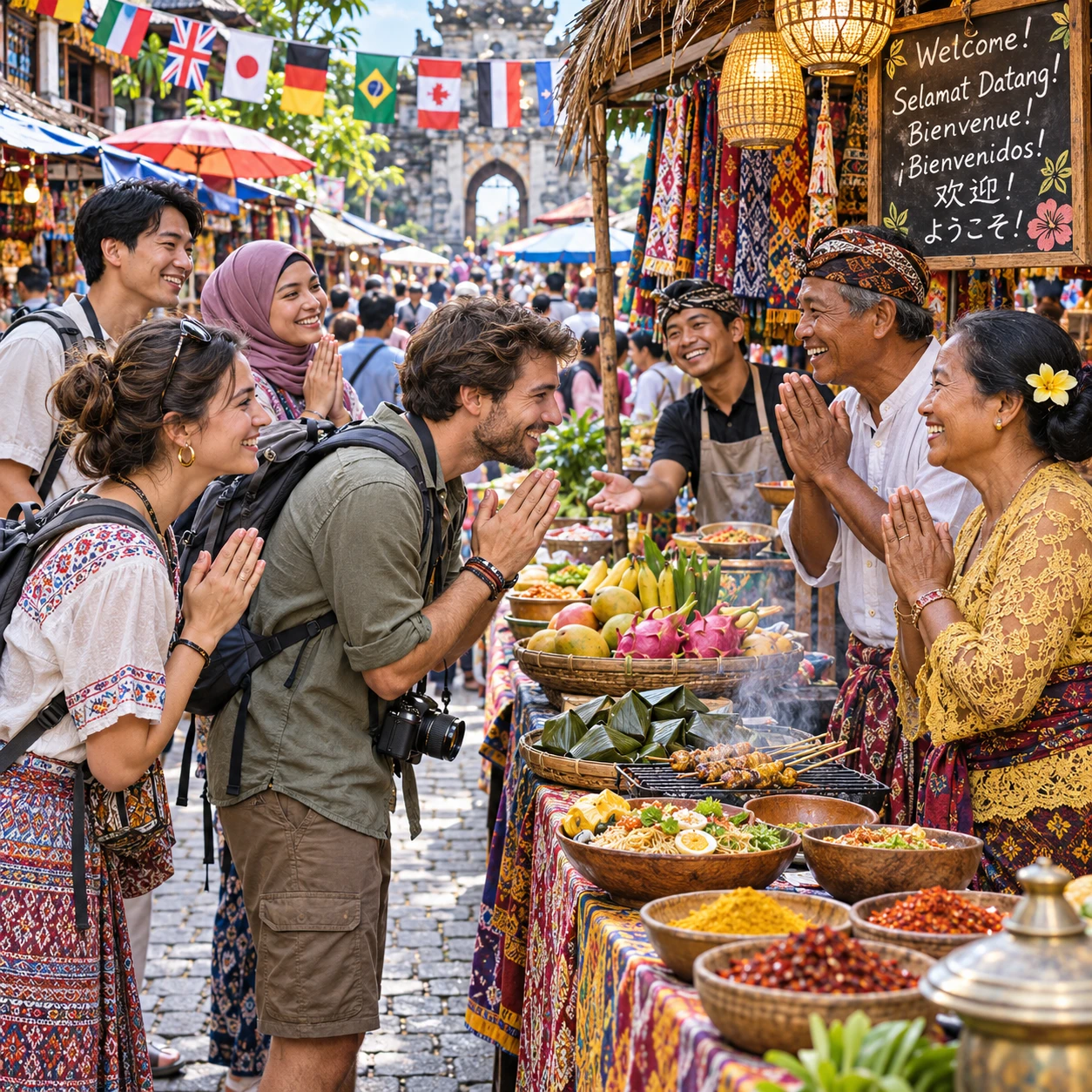
A small gesture can make a journey feel warmer, while an unfamiliar custom can leave you unsure what to do. Cultural etiquette helps travelers navigate those moments with curiosity and respect. Customs vary between countries, regions, generations, and individuals, so the most useful rule is simple: learn what you can, observe carefully, and ask politely when you are unsure.
Why Cultural Etiquette Matters When You Travel
Cultural etiquette helps travelers show respect, avoid preventable misunderstandings, and build more genuine connections with local communities. It is a practical way to recognize that everyday habits, from greetings to mealtime routines, may carry different meanings in different settings.
There is no single set of rules that represents an entire country or culture. Customs can vary by family, religion, age, region, and situation. A behavior that feels ordinary in a busy city may be inappropriate at a home, ceremony, or religious site. Treat travel advice as a starting point, not a script to apply to everyone you meet.
A useful approach is the notice, adapt, ask method: notice what people around you do, adapt when the context is clear, and ask respectfully when it is not. This keeps cultural sensitivity grounded in real interactions rather than assumptions. Respect also does not require perfection. A sincere effort to listen and adjust often matters more than knowing every local custom in advance.
Do Your Homework Before You Go
Before traveling, check destination-specific guidance on greetings, religious norms, dress, dining, tipping, photography, and public behavior. A little preparation can help you avoid awkward surprises, but current local advice is more useful than broad claims about what people in a whole country supposedly do.
Start with practical sources: official tourism or government websites, visitor information from religious sites, reputable guidebooks, and recent advice from local organizations. If you are visiting a home, attending a ceremony, or joining a guided activity, ask your host or operator about expectations. Rules can differ even between nearby communities and individual venues.
Make a short, usable checklist rather than trying to memorize a long list of dos and don’ts:
- Greetings: Is a handshake customary, or is a verbal greeting safer until invited to do more?
- Dress: Are there clothing requirements for religious sites or particular neighborhoods?
- Meals and tipping: Are meals commonly shared, and is a service charge already included?
- Photography: Are there restrictions at museums, ceremonies, or sacred places?
Check again shortly before you leave, especially for site rules or travel guidance that may change. Preparation reduces guesswork; it does not replace paying attention once you arrive.
Greetings, Gestures, and Personal Space
Greetings, body language, and personal space differ across cultures, so follow local cues rather than assuming one familiar gesture will work everywhere. When uncertain, begin with a friendly verbal greeting and let the other person signal whether a handshake, bow, or other greeting is welcome.
Hand gestures deserve particular care. A sign that seems harmless to you may carry a different meaning elsewhere, and even common gestures can be interpreted differently depending on context. Avoid using gestures you have not checked, especially when giving directions or expressing approval. Pointing, touching, or beckoning may also feel intrusive in some settings.
Watch how people greet one another, but do not treat a single interaction as a rule for everyone. If someone offers a greeting, respond in a relaxed way; if they keep more distance, give them room. A smile and patient tone can help, but neither should be used to push past a boundary or language barrier.
When a greeting feels unclear, a brief question is usually better than guessing. You might say, “What’s the usual way to greet people here?” Ask in a warm, low-pressure manner, then follow the answer without making the interaction a test of someone’s culture.
Dress Respectfully, Especially at Religious Sites
Dress respectfully by checking local guidance before you visit religious sites, ceremonies, or conservative settings. Modest clothing may be expected in some places, but the exact requirements vary by site and community.
Look for posted rules about covering shoulders, knees, or hair, and check whether visitors need to remove shoes or use a provided covering. A mosque, temple, church, shrine, or other sacred space may have its own entry requirements. Do not assume that a rule you encountered at one site applies at another.
Pack a light scarf or an extra layer if it may help you meet a site’s dress code. This is a practical option, not a substitute for checking official instructions. If staff ask you to adjust your clothing, do so calmly; if you cannot meet the requirements, ask whether there is an appropriate alternative or choose not to enter.
Clothing also affects how comfortable you are during a day of travel. Choose practical items that suit the weather and the setting, while remembering that comfort does not override a venue’s rules. When uncertain, modest and unobtrusive clothing is a sensible starting point, not a guarantee that every local expectation has been met.
Mind Your Manners at Meals
Dining etiquette varies in how people share food, use utensils, begin a meal, and handle the bill. Observe your host or the people at the table, and ask a simple question before assuming what is expected.
At a shared meal, wait to see whether food is served communally or individually. Follow the host’s lead on when to begin, and use serving utensils where they are provided. If you have dietary restrictions or allergies, explain them clearly in advance rather than waiting until food arrives. When language is a barrier, a translated note can help you communicate the ingredients you need to avoid.
Tipping customs are not universal. In some places, a service charge may already be included; in others, tipping may be customary or handled differently. Check a current local source or ask your hotel or guide. Do not assume that a familiar tipping percentage fits every country, restaurant, or service.
At the table, avoid criticizing unfamiliar food or customs. If you cannot eat something, decline politely and briefly. Curiosity is welcome when it is respectful: asking what a dish is called or how it is traditionally eaten is often more considerate than reaching across the table or taking a photograph before checking with your companions.
Ask Before Photographing People or Places
Ask permission before photographing people, and check posted rules before taking pictures in private, sacred, or sensitive places. A camera can record a moment, but it does not automatically give a visitor permission to share someone’s image.
For portraits, make eye contact, indicate your camera, and ask in a language or manner the person can understand. If they decline, thank them and move on without arguing or taking the picture from a distance. Be especially thoughtful around children, ceremonies, worship, and people who may not feel free to refuse.
Photography restrictions may apply to museums, religious sites, government buildings, memorials, or performances. Look for signs and follow staff instructions, including rules about flash, tripods, or phone use. When in doubt, put the camera away and ask a staff member.
Consider what happens after you take the picture, too. Posting an image online can expose someone’s identity or location to a much wider audience. Permission to take a photo is not always permission to publish it, so ask before sharing identifiable images when appropriate.
What to Do If You Make a Cultural Misstep
If you make a cultural misstep, pause, acknowledge the other person’s response, offer a brief apology, and adjust your behavior. A calm response usually helps more than a long explanation or an attempt to prove you meant no harm.
For example, if you enter a space wearing shoes and someone asks you to remove them, apologize briefly and take them off if permitted. If you use a gesture that causes offense, stop using it and listen to the explanation. Do not turn the moment into a debate about what the gesture means where you are from.
Use this three-step response:
- Acknowledge: Recognize that your action may have caused discomfort.
- Apologize: Keep it sincere and concise; avoid making the other person reassure you.
- Learn: Follow the guidance you receive and remember it for the next time.
Not every misunderstanding will be resolved on the spot, and no traveler can know every expectation. Still, listening without defensiveness gives you the best chance to repair the interaction. Treat the experience as a reason to learn, not as proof that one person’s reaction defines an entire culture.
Frequently Asked Questions About Cultural Etiquette
These answers offer practical starting points for common questions, but local guidance and individual preferences should always take priority.
How can I learn local customs before traveling?
Read recent guidance from official tourism sources, government travel pages, and the places you plan to visit. Ask a host or tour operator about specific expectations, then confirm important rules, such as religious-site dress codes, when you arrive.
Is it okay to use hand gestures in another country?
Use familiar gestures cautiously because their meanings can vary. A verbal greeting or clear words are safer when you do not know the local meaning, and you can ask politely if a gesture is appropriate.
What should I wear when visiting religious sites?
Check the site’s current dress requirements before visiting. Some places ask visitors to cover certain areas or remove shoes, while others have different rules. Follow posted instructions and ask staff if anything is unclear.
What should I do if I accidentally offend someone?
Pause, apologize briefly, listen to the person’s response, and change what you are doing. Avoid arguing about your intentions or asking the person to comfort you; focus on understanding and responding respectfully.